




Camí de l'Aigua
The Camí de l’Aigua urban route allows you to discover the historical heritage of La Vall d’Uixó at your own pace, following the path of the old irrigation channel that originates at the exit of Coves de Sant Josep. This itinerary takes you through some of the most representative sites in the municipality, making it an accessible and enjoyable way to delve into its history and evolution.
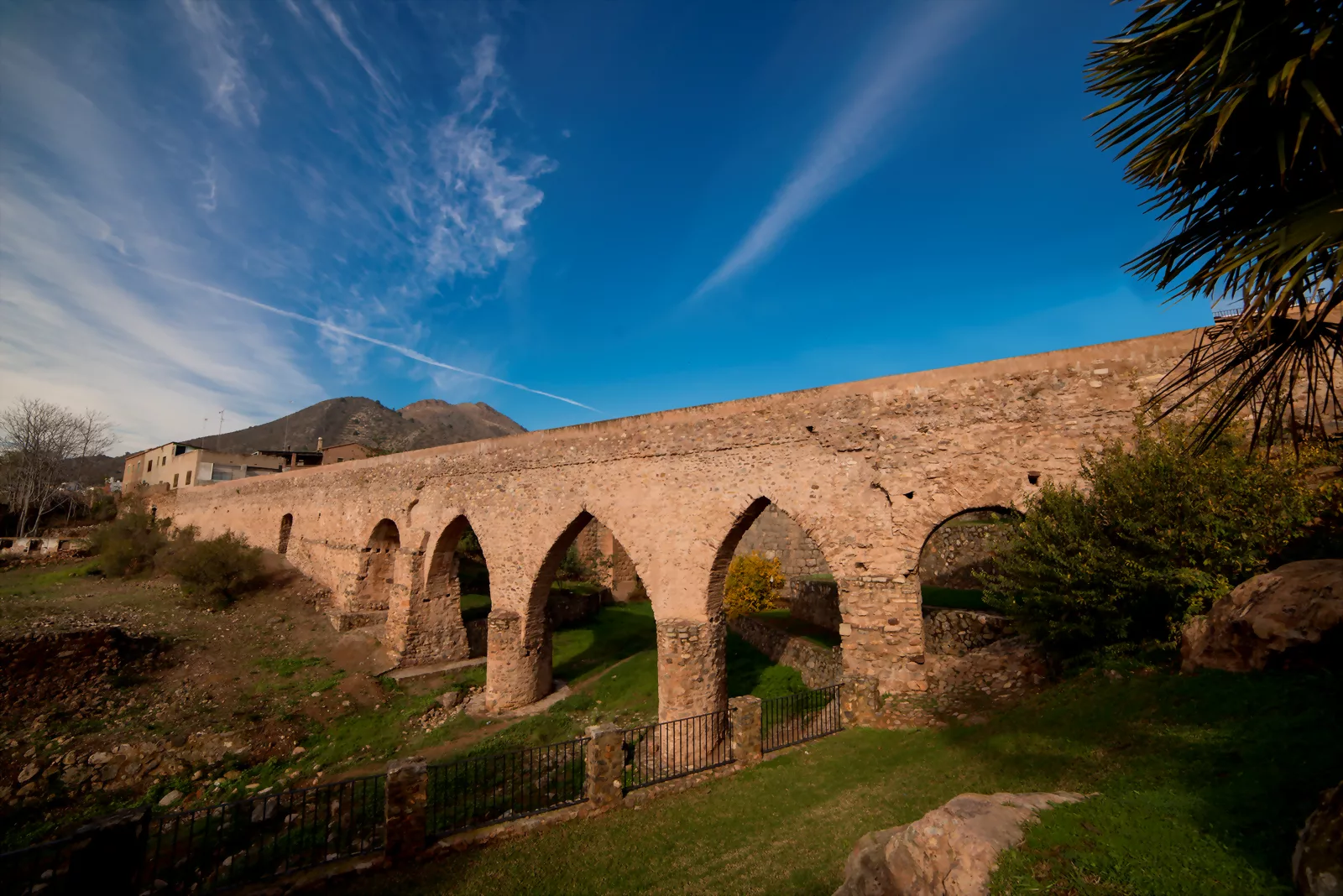
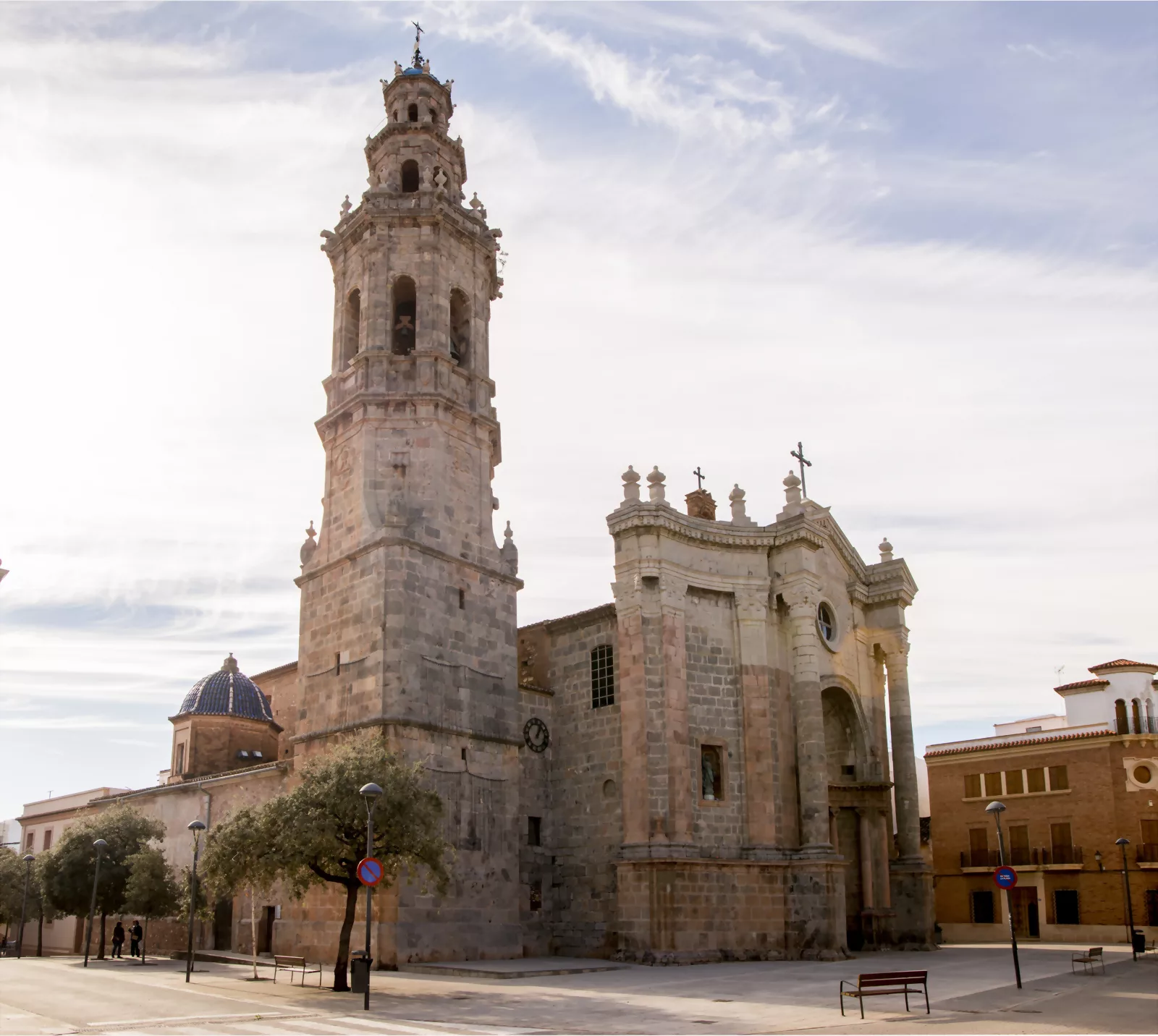
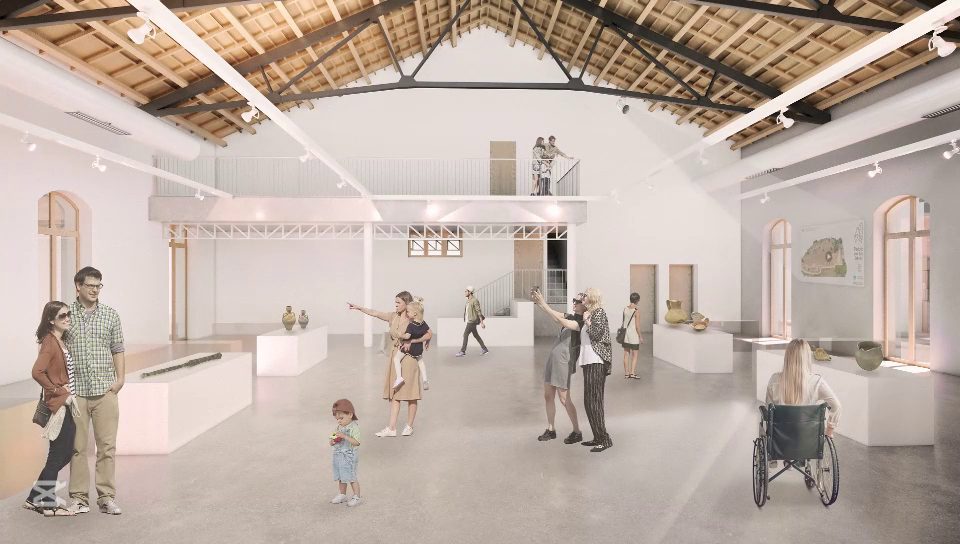
With an approximate distance of 2 km, the route begins at the Roman-medieval aqueduct complex of Aigualit, next to which is located the Light Factory, an early 20th-century industrial building that will soon be used as an exhibition and cultural space, as it will house the future headquarters of the Archaeological Museum of La Vall d’Uixó. In its recently restored surroundings, one can also observe elements related to the traditional use of water, such as irrigation ditches, mills, and reservoirs. The route continues through heritage sites of great value, such as the Muslim-era quarter of l’Alcúdia. The tour includes the 17th-century Church of the Holy Guardian Angel, the 18th-century Church of Our Lady of the Assumption, notable for its imposing bell tower, and the 12th-century medieval tower of Benizahat, the only remaining vestige within the town of the ancient Andalusian farmhouse of Benizahat, which is being transformed into the city’s future information center and cultural space. The tour concludes in the square where the Hermitage of Saint Vincent Ferrer is located, around which the National Tourist Interest Festival dedicated to the same patron saint is celebrated in April.
Follow the thread of water that has shaped our history through this cultural itinerary and its points of interest.
Roman-medieval aqueduct complex
Benigafull Tower
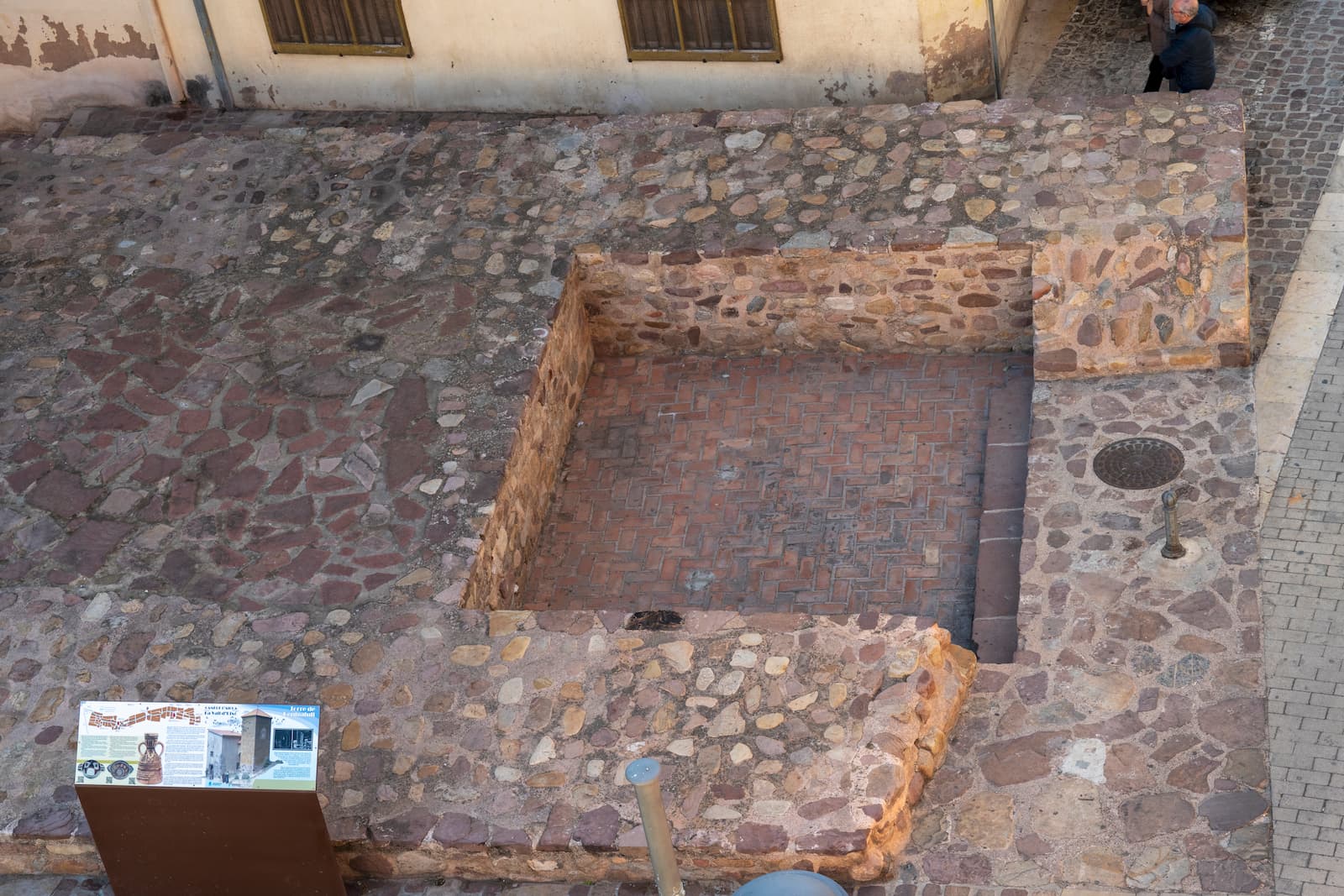
Archaeological remains of the 14th century tower which was attached to the Palace of the Duke of Segorbe, lord of the town. The tower was a symbol of his feudal power and gave rise to the municipal coat of arms.
In the various studies of the tower and the cistern, several pieces have been discovered that can be found in our virtual museum. One of them is this piece of the feudal lord’s tableware. The Duke of Segorbe, who resided in the castle in the 14th century, possessed a lobed earthenware bowl with gilt and cobalt blue handles.
Church of the Holy Guardian Angel
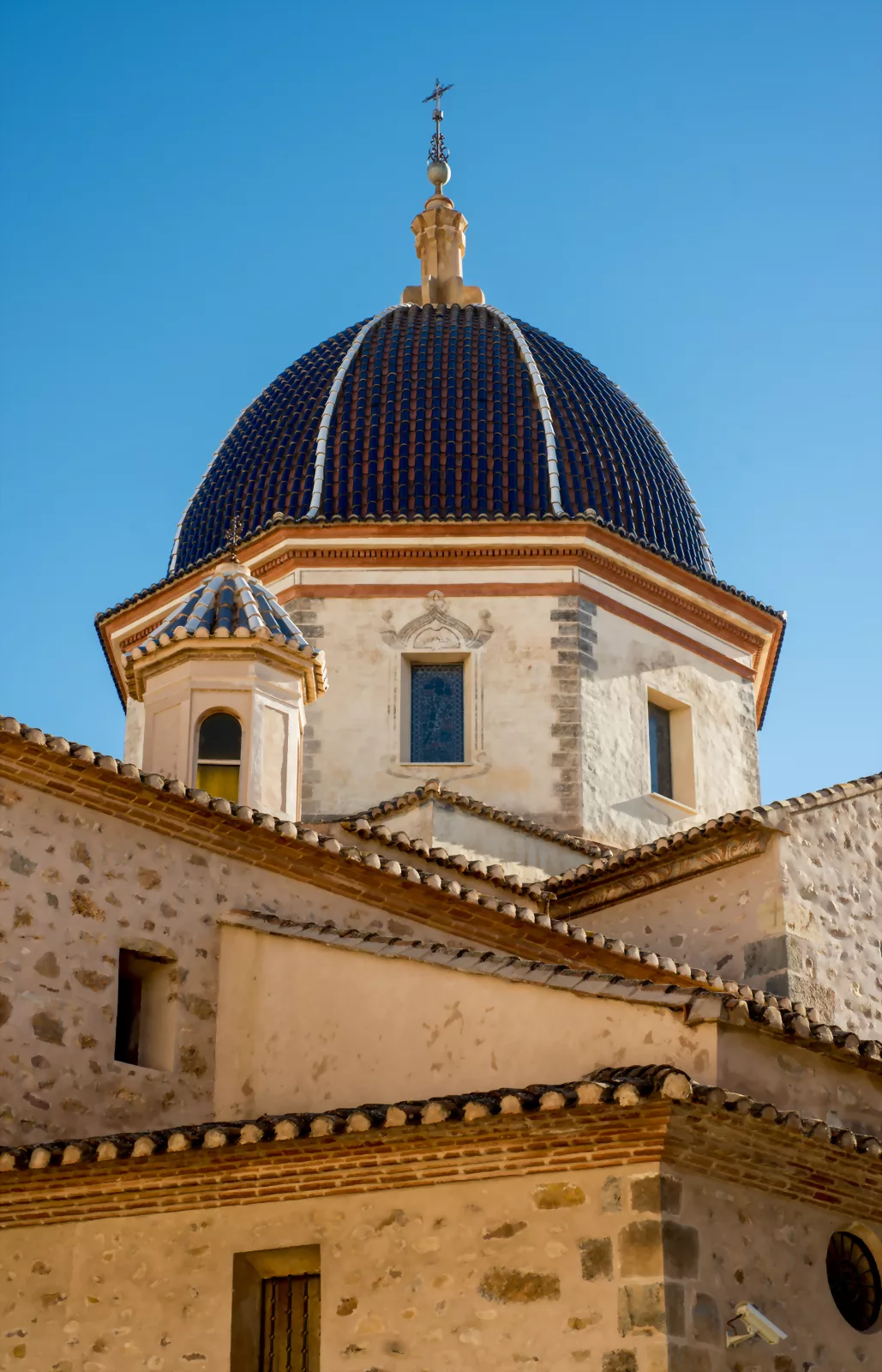
It is the main parish, as it is the oldest in the city. Its current temple was built in the 17th century and expanded in the mid-18th century.
Its baroque facade, recently given an eighteenth-century architectural crowning, houses on one side the bell tower, a work from the mid-17th century which features strong Escorial influences in its capital.
The interior, baroque in its vaults and neoclassical in its decorative elements, houses a collection of fresco paintings made at the end of the 18th century, highlighting the mural that covers the entire vault of the presbytery with the representation of “The Glory”, attributed to the painter José Vergara.
The temple houses important examples of altarpieces, such as the main altarpiece with marbles of different colors, or the one that contains the painting of “Our Lady of the Guardian Angels” in the chapel of the Tabernacle, by the Valencian painter Jerónimo Jacinto de Espinosa.
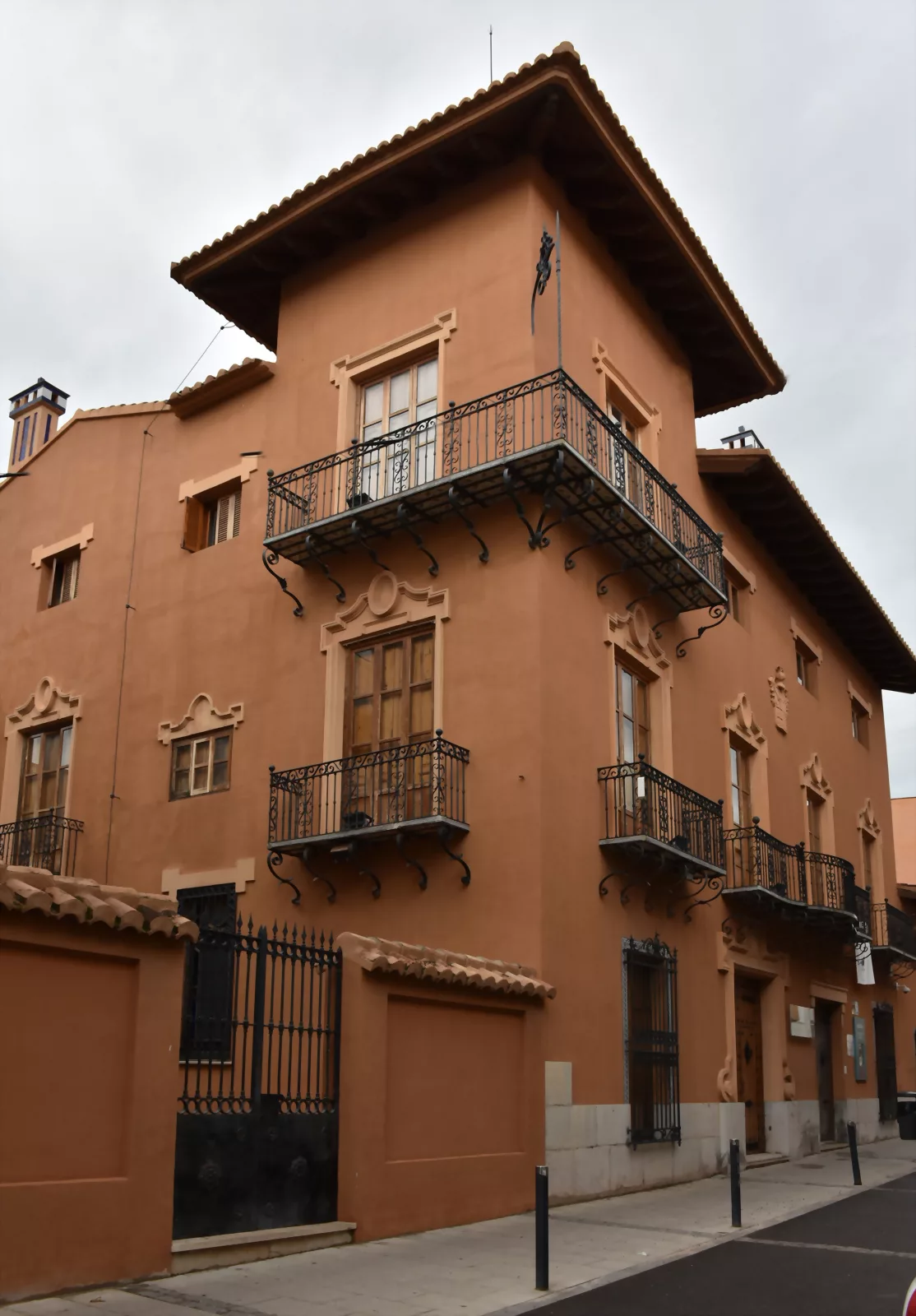
Vivel Palace Cultural Center
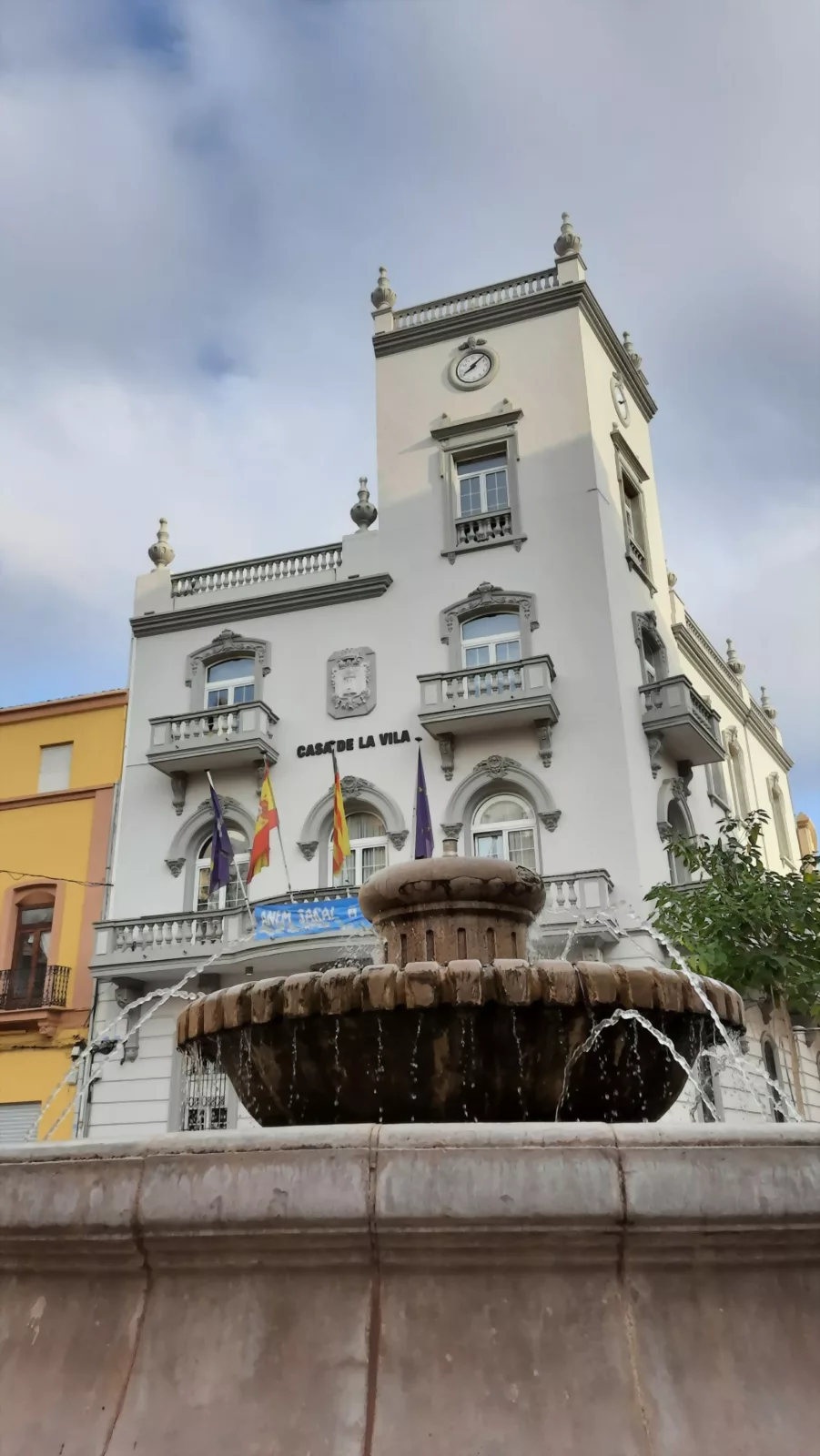
City hall
Church of Our Lady of the Assumption
Benissahat Tower
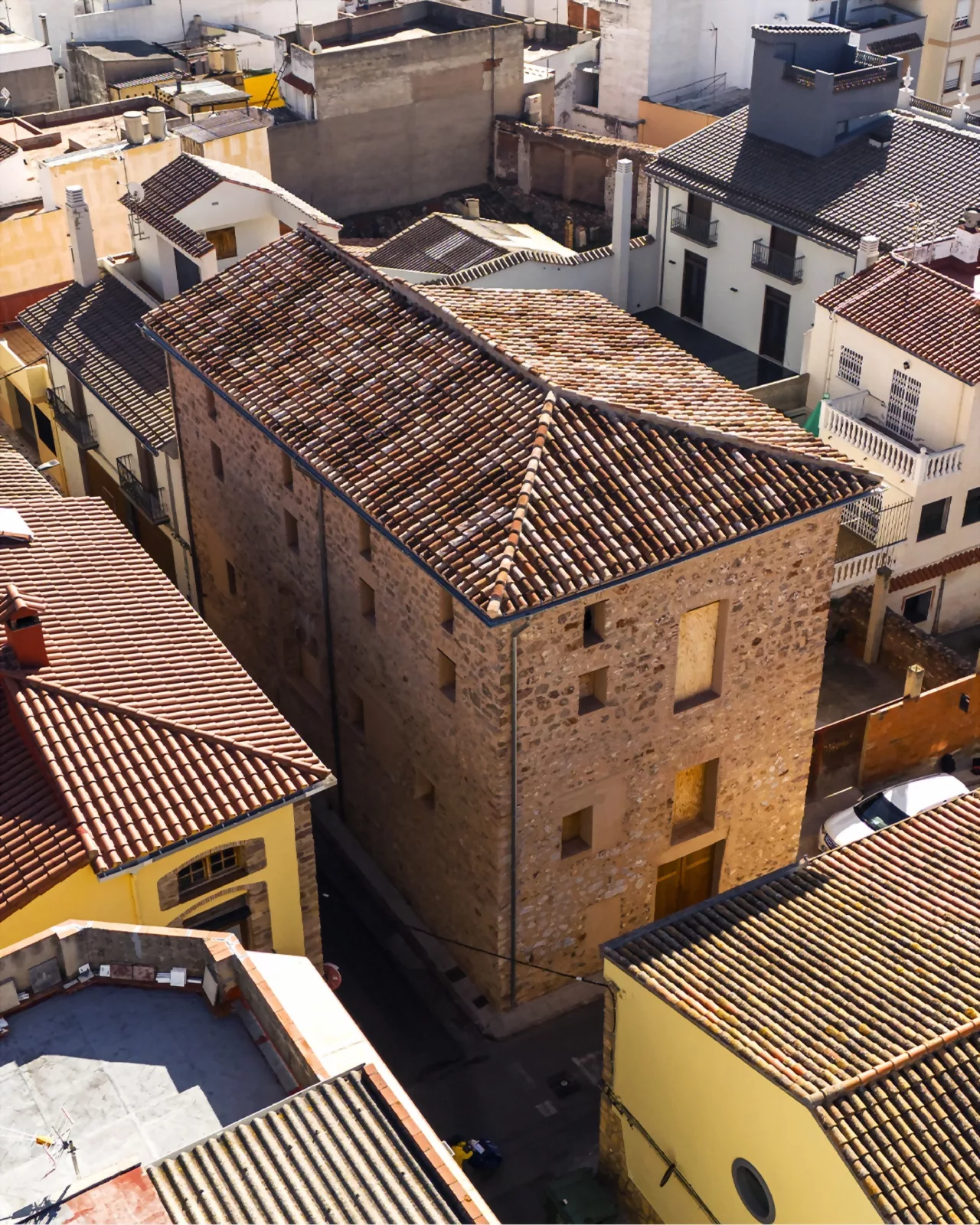
The only visible remnant of the old Muslim farmsteads that make up the historic center. It was located in the center of the farmstead called Benizahat and was an 11th-century defensive tower. At the end of the street, on the mountain, we can see the remains of the old Andalusian castle of Uixó, which gives its name to the valley.
It is currently being converted into an interpretation center for visitors.
Fàbrica de la llum, Archaeological Museum of Vall d’Uixó
Guided tour (minimum 10 pax)
The Camí de l’Aigua can also be explored as a guided tour led by an official guide, an ideal option for delving deeper into the history, heritage, and interesting facts of the route. This tour concludes with a climb to the bell tower of the Church of Our Lady of the Assumption, which, at 49 meters tall, offers a privileged panoramic view of the surrounding area.
The price of the guided tour is €5/person (from 3 to 12 years old) and €7/person (from 13 years old), with a guaranteed minimum of 10 people.
(+34) 964 660 785 · vallduixo@touristinfo.net.